
Every digitalization project is more than just a technical implementation. It also comes with major changes for associates. They know the existing workflows and processes best, are affected most by technological changes – and they are the ones that will need to utilize the new technology every day. If they use it inefficiently (or not at all!), the best Industry 4.0 solution cannot and will not have the expected positive effect.
For this reason, many change initiatives fail. They face resistance from associates and lack management support. So how can you ensure that your project is successful? Based on our experience from numerous change projects over the past years, we can identify typical pitfalls. Read on to find out what they are and how to deal with them:

1. Don’t underestimate the workload for change management
Many companies see change management as a task that can be done “in passing.” Especially small and medium-sized companies often do not invest in change experts or the development of change expertise in manufacturing. Instead project managers who, in addition to the technical introduction of the new solution, are now also expected to involve their colleagues. This not only leads to work overload or conflicts of interest, often it is lack of knowledge how to address and solve change topics. As a result blind spots and hidden fears often remain undiscovered. Involving change expertise in the project team from the start ensures that the interfaces between associates, technology, and processes are considered and the new solution stands the best chance of being accepted and used.

2. Break down company “silos” and foster cross-departmental collaboration
Digitalization solutions always aim at stronger connectivity. They rely on the knowledge and experience of different departments. Ideally, different roles or departments can regularly contribute to the process. This not only increases acceptance and support among those involved; it also uncovers problems and ensures smooth application. Participation formats also strengthen the cross-departmental collaboration that is so important for digitalization. It will unlock additional benefits of Industry 4.0 solutions and affect the working climate positively – which in turn can increase technology acceptance by associates.

3. Involve the entire management
Another mistake is the belief that management does not need to be involved. Many change measures aim at involving those who are supposed to work with the new technology. However, they can only be successful if the entire management, who itself is often affected by the project in some way, supports the changes. If the management team does not agree on a certain measure or approach, associates quickly come into conflicts of interest, making it difficult to achieve broad acceptance.
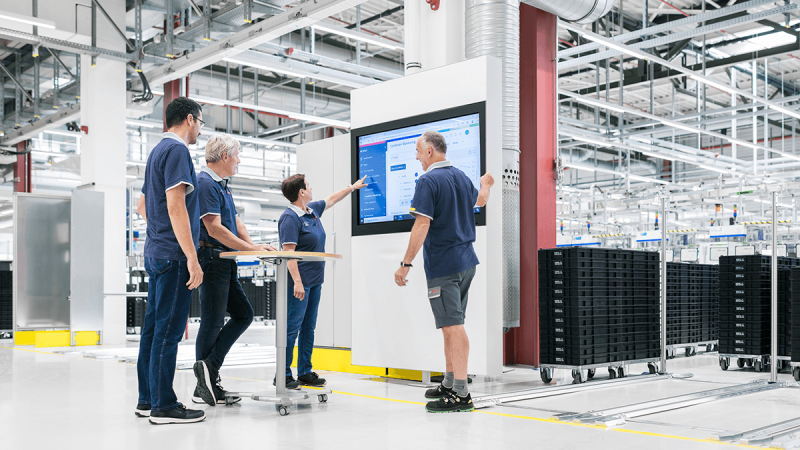
4. See employee motivation as part of the task
People are creatures of habit and often see change difficult or negative at first. In addition, the initiators of digitalization projects are usually more tech-savvy and tend to overlook the potential fears of associates who have had little or no contact with digitalization solutions before. By giving associates transparent information about the upcoming changes, their hidden concerns can be identified early on and suitable measures can be introduced. Additionally, trainings can help prepare associates for their new daily work routine. An easily accessible support concept makes sure that associates can address technical questions after implementation without fearing consequences for admitting knowledge gaps.